Change in the healthcare space continues to accelerate, driven by innovation, regulation, and rising patient expectations. For brands, staying relevant means anticipating the shifts that will shape how patients and healthcare professionals connect, communicate, and make decisions.
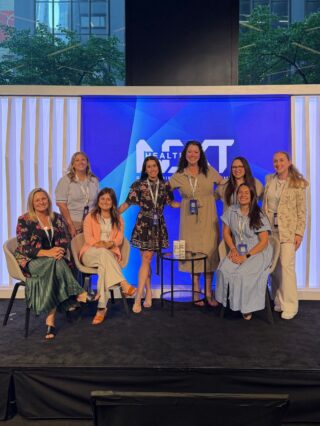
At Butler/Till, we don’t just adapt to transformation – we lead through it. Our Healthcare Trends & Insights Days brought together our teams and leading industry partners to uncover what’s next in healthcare marketing and how brands can thrive in an ever-changing industry. Experts from IQVIA Digital, Phreesia, OpenEvidence, Pulsepoint, InStep Health, Google, Resonate, and Crossix joined us to share data, trends, and forward-looking insights on how patients and healthcare professionals engage, decide, and act. By connecting these perspectives, we’re ensuring Butler/Till and our clients stay at the forefront of meaningful, data-informed healthcare storytelling. Below are some of the key trends and opportunities redefining how pharmaceutical brands show up and succeed:
Empowerment increases expectations:
Patients are taking an active role in managing their health. With abundant access to information – whether online or through wearable technology – they are monitoring their well-being in real time. This has elevated patients’ expectations of healthcare professionals, who remain the most trusted source for guidance throughout the condition and treatment journey.
Brands should borrow that trust through HCP-connected channels and position themselves as patient allies. This highlights the importance of the Point of Care space, as that moment solidifies the trust of a brand through third party validation from a physician.
AI integration has changed long-standing clinical workflows:
Technology is no longer a novelty, but an expectation. With information readily accessible, audiences now expect personalized, timely, and relevant experiences – requiring brands and healthcare organizations to meet those expectations seamlessly. With increasing workloads and less time per patient, emerging AI tools are becoming critical touchpoints for physicians when evaluating patient needs.
As these tools continue to shape physician behaviors, we must reframe our vision of the modern EHR and Point of Care marketing space, incorporating changing clinician habits, regulatory considerations, patient attitudes, and technological trends.
OpenEvidence (OE) and Healthcasts Consensus MD are leading AI-powered platforms used by doctors during work hours to support faster, evidence-based diagnoses and treatment decisions. These tools are accessed while physicians are actively researching prescribing solutions, offering a high-value touchpoint for clinician engagement during critical decision-making moments.
Market access challenges are heightening barriers for brand pull-through:
Brands are spending 59% more in year one promotion than in 2018, yet new patient start volumes have dropped by 20% versus brands that launched in 20181.
Similar trends have been observed for fulfillment rate – five years ago, 55% of the times a patient would receive the script and begin treatment. Now, the fulfillment rate has dropped in half; 70% of the time a patient would walk out with the script and not be able to start the treatment2.
Though we’re focused on driving demand for a prescription, it’s imperative to assess the barriers in filling a prescription. We need to start thinking about how we can alleviate this pain point and how to support and educate patients and healthcare professionals to fill scripts. By thoughtfully selecting media and crafting messaging that directly addresses these challenges, we can remove obstacles, streamline the treatment journey, and ultimately deliver stronger results for our clients.
The vital role APPs have in the patient’s journey demands dedicated engagement strategies:
APPs (NP/PAs) play a significant role in a patient’s treatment journey and are currently an underserved audience. Though, APPs are driving ~40% of claims – with the expectation to outnumber physicians – so these HCPs should not be discounted in an HCP approach.
APPs are focused on the whole patient given they’re seeing the patient for majority of their care and tend to think big picture. When crafting messaging for this audience they’re looking for information beyond Mechanism of Action, they’re focused on: product details, side effects, accessibility to the product, CRM programs, patient-support programs, who’d be the right patient for this product). APPs prefer concise, digital, case-based content (emails, podcasts, and peer stories) that offer education that ladders up to the big picture they’re thinking about for their patient.
Evolving policy and regulations are reshaping how brands go to market:
Rapid regulatory shifts are influencing how healthcare brands approach their media investments and the media channels they’re activating, particularly within patient communications. Restricting these ads may limit patient choices & delay care.
The growing complexity of therapies has created a Medical Evidence Gap, heightening the need for nuanced, evidence-based engagement with both HCPs and patients. Clearly and efficiently delivering this information helps reduce burdens and improve understanding.
To address this, communications should be grounded in real-world evidence and delivered transparently – clearly presenting both risks and benefits of treatment to build trust and accountability. Content formats, such as video, should be periodically reassessed to ensure messages remain clear, compliant, and effectively convey those evidence-based principles.
Media partners and agencies that succeed in this next phase of healthcare evolution will be those that can:
- Bridge awareness and access, helping brands navigate fulfillment barriers.
- Anchor campaigns in trust, using educational and thoughtful creative messaging in HCP-connected environments and POC moments to strengthen credibility.
- Leverage AI and unified data to connect patient and physician journeys seamlessly.
- Ensure NP/PAs are included in HCP go-to-market strategy with targeted, practical content.
- Rethink POC as a decision-stage trust environment, not just an awareness tactic. Explore partnerships and storytelling approaches that position brands as patient and physician alleys; with messaging that provides education, disease state care, and data to help with insurance claims.
- Build a “Trust-First” Planning Framework: Redefine how we evaluate media channels and creative concepts. Not only by reach and efficiency, but by their ability to foster trust. This means prioritizing HCP-connected, evidence-based, and patient-supportive environments over pure scale.
The opportunity ahead isn’t just about adopting new tools; it’s about reframing our role as an agency from message amplifiers to builders and connectors of trust, access, and intelligence in an increasingly complex healthcare ecosystem.
Contributors: Klaudia Petrykowska, Julia McLyman